
EXECUTIVE SUMMARY
- An MRI uses a strong magnet and radio waves to create detailed images without X-ray radiation.
- Your appointment includes safety screening, positioning, image capture and, when ordered, possible contrast injection.
- Tell your physician and the imaging team about implants, pregnancy concerns, kidney problems, allergies, anxiety or trouble lying still.
If you are wondering what to expect during an MRI, it helps to know that the exam is structured, closely monitored and usually straightforward. At Lucent Medical Imaging in Glendale, your MRI scan preparation, MRI safety screening and scan experience are explained step by step so you know what is happening and why.
MRI Basics *before you arrive*
Magnetic resonance imaging, or MRI, creates detailed pictures of the inside of your body using a strong magnetic field and radio waves. It does not use X-ray radiation. Your physician may order an MRI to evaluate the brain, spine, joints, abdomen, pelvis, breasts, blood vessels or other areas, depending on your symptoms and medical history. If you are searching for MRI Glendale options, it is reasonable to ask what type of MRI is used, how preparation works and when results are sent to your ordering physician.
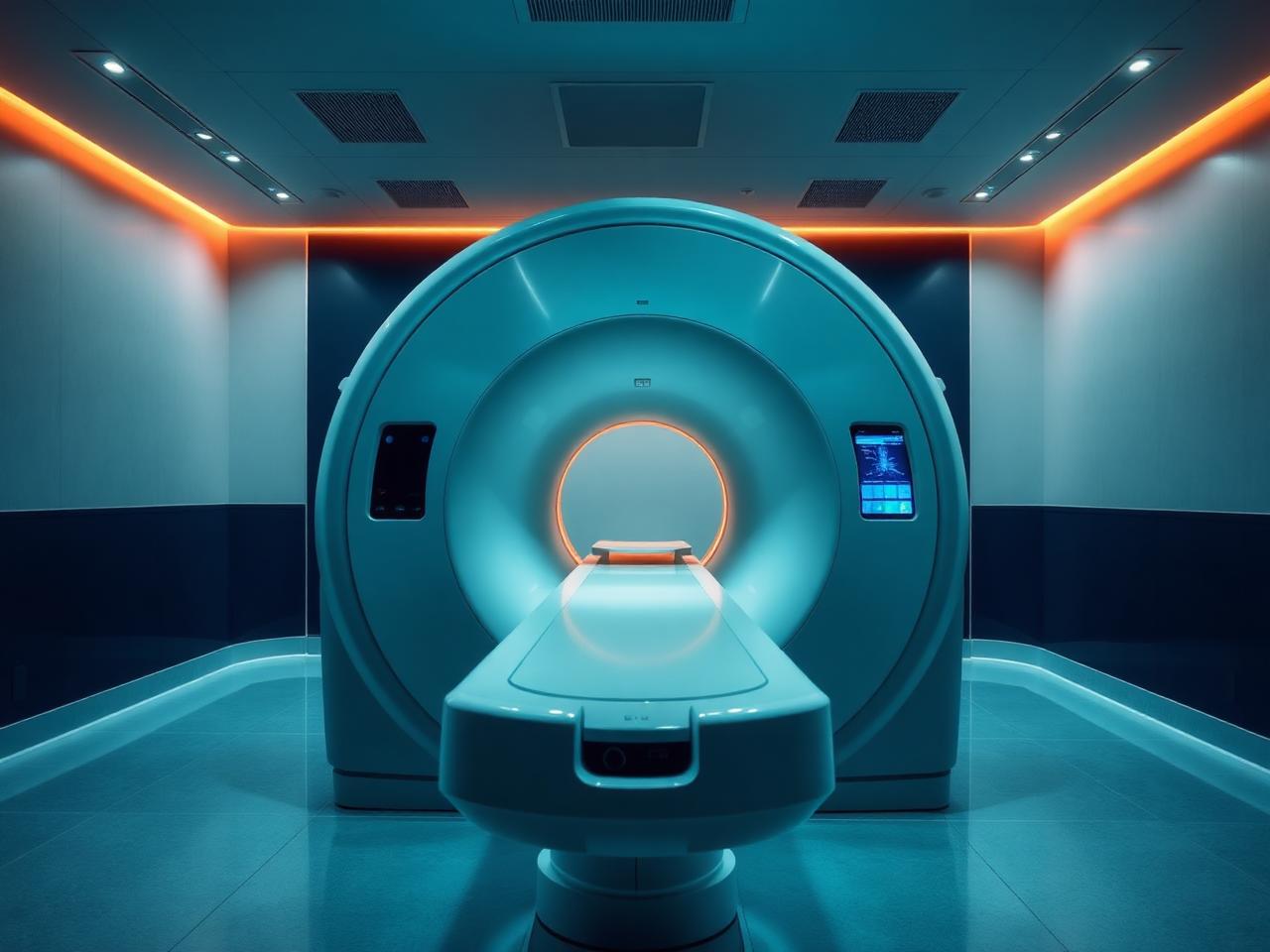
What should you expect during an MRI? You can expect a safety review, removal of metal items, careful positioning on the MRI table, several sets of images and loud tapping or knocking sounds while the scanner works. A technologist monitors you throughout the exam and can speak with you between image sets. Some exams include IV contrast if your physician ordered it and if screening confirms it is appropriate.
Lucent Medical Imaging offers MRI services in Glendale for patients from Glendale, Los Angeles County and nearby communities. Some exams are performed on a 3 Tesla MRI, which can provide high-detail imaging for many clinical questions. Your actual protocol depends on the body part being scanned, your physician’s order and the radiologist’s imaging requirements. If you have questions about the reason for the exam, review them with your ordering physician before the appointment.
- MRI does not use X-ray radiation.
- The scanner makes loud sounds.
- Your technologist monitors the exam.
Scheduling Details *after your order*
Before your MRI can be performed, the imaging center usually needs your physician’s order, relevant clinical information and insurance details if you plan to use insurance. Some health plans require authorization before the scan. If authorization is needed, timing can vary. You may be asked about prior imaging, surgery, implants, kidney disease, pregnancy status, allergies and whether you have had a reaction to contrast in the past.
When you schedule, ask whether your exam needs special MRI scan preparation. Many MRI exams require little preparation, but some abdominal, pelvic or contrast exams may involve food or drink instructions. Follow the instructions given for your specific study, not general advice from another exam. You can review practical arrival and paperwork information on the before your visit page before coming to the center.
If your physician has ordered an MRI and you are ready to choose a time, you can request an appointment online. Bring a photo ID, insurance card if applicable, your order if it was given to you, and any prior imaging reports or discs if requested. For questions about an MRI Glendale appointment at Lucent Medical Imaging, you may also call the center at (818) 679-2867.
- Bring your imaging order.
- Ask about preparation instructions.
- Prior images may be helpful.
Questions before you book? We answer them.
Talk to our Glendale team about scheduling, preparation and what your plan covers, before you commit to an appointment.
Safety Screening *for every patient*
MRI safety screening is required because the scanner’s magnet is always powerful, even when images are not being taken. The screening process helps identify objects or conditions that could affect your safety or image quality. You will be asked about implanted medical devices, aneurysm clips, pacemakers, neurostimulators, cochlear implants, metal fragments, medication patches, surgical hardware and prior injuries involving metal. Answer carefully, even if an implant was placed years ago.
Why is MRI safety screening important? MRI safety screening helps confirm whether it is safe for you to enter the MRI room and whether the exam needs special precautions. Some devices are MRI conditional, meaning they may be scanned only under specific conditions. Other devices or metal fragments may not be safe in the MRI environment. The imaging team may need device details, operative notes or implant cards before proceeding.
You will remove loose metal objects such as jewelry, watches, hairpins, keys, coins, credit cards and removable dental appliances when instructed. Clothing with metallic fibers, snaps or zippers may need to be changed. If you work around metal or have had eye injuries from metal, tell the team. For general information about available imaging options, you can review Lucent’s diagnostic imaging services, but your physician should guide which exam is right for you.
- Screening is required every time.
- Implant details may be needed.
- Remove loose metal items.
Contrast Decisions *when ordered*
Some MRI exams are performed without contrast, while others include MRI with contrast. Contrast is usually given through a small IV line and helps highlight certain tissues, blood vessels, inflammation, tumors or areas of abnormal enhancement. Whether contrast is needed depends on the clinical question and the radiologist’s protocol. Do not assume that every MRI includes contrast, and do not stop medications unless your physician or the imaging team specifically tells you to do so.
What is MRI with contrast? MRI with contrast is an MRI exam that includes an injected contrast agent to help certain structures or abnormalities appear more clearly on the images. Before contrast is given, you may be asked about kidney problems, prior reactions, pregnancy or breastfeeding, and certain medical conditions. In some cases, recent blood test information may be requested to assess kidney function.
If your exam includes contrast, the technologist or clinical staff will explain the IV portion before it happens. You may feel a brief pinch when the IV is placed. Most people continue the scan immediately after injection, while some protocols include images before and after contrast. Your physician weighs the reason for contrast against your health history. If you have concerns, discuss them with your ordering physician before the appointment.
- Not all MRIs use contrast.
- Contrast is given by IV.
- Kidney history may matter.
During Scanning *inside the room*
When it is time for your exam, the technologist positions you on the MRI table and may place a special imaging coil around or near the body part being scanned. The coil helps receive signals used to create the images. Padding may be used to support your body and reduce motion. For many exams, the table moves into the scanner so the area being studied is centered inside the opening.
How long does an MRI take? An MRI often takes roughly 20 to 60 minutes of scan time, but the total appointment can be longer when check-in, screening, changing, IV placement or special imaging sequences are needed. Some complex studies take more time. The exact length depends on the body part, whether contrast is used and whether images need to be repeated because of motion.
During image capture, you will hear repetitive knocking, buzzing or tapping sounds. You may receive ear protection. The technologist can see and hear you and will provide instructions, such as when to stay still or hold your breath for certain body scans. Lucent’s 3 Tesla MRI service may be used for many studies, depending on the ordered exam and scheduling needs.
- Staying still improves images.
- Noise is expected.
- Some scans require breath holds.
Anxiety Options *if you feel confined*
Claustrophobia MRI concerns are common, especially before a first scan. Tell the scheduler and technologist if you are worried about tight spaces, panic symptoms or difficulty lying flat. They can explain the setup, help you understand how long each image set may last and keep communication clear during the exam. Knowing what will happen often makes the appointment feel more manageable.
What helps with claustrophobia during MRI? Many patients find it helpful to keep their eyes closed before the table moves, focus on slow breathing, listen to instructions one step at a time and use the call device if they need attention. Some exams may allow music or other comfort measures depending on the setup. If you think you may need medication for anxiety, ask your ordering physician before the appointment because you may need a prescription and a ride home.
You should not feel embarrassed about anxiety. The goal is to complete diagnostic images safely and with as little stress as possible. If you have severe claustrophobia, pain, tremor, cough or another issue that may make it hard to stay still, mention it early. The imaging team can discuss practical options, but your physician should advise you about medication, sedation or whether a different imaging approach is appropriate.
- Tell the team early.
- Breathing can help.
- Medication requires physician guidance.
Image Quality *why stillness matters*
MRI images are built from signals collected over time, so motion can blur the pictures. Even small movements may affect images of the brain, spine, joints or abdomen. The technologist will help position you comfortably before scanning starts because comfort makes it easier to remain still. If something hurts or a support pad feels wrong, speak up before the image set begins.
Lucent uses advanced MRI technology, including 3 Tesla MRI technology and GE AIR Recon DL AI-assisted MRI. These tools can support image quality and efficiency for appropriate exams, but they do not replace careful positioning or following instructions. Your scan still depends on the correct protocol, good safety screening and your ability to remain as still as possible during each sequence.
If images are affected by motion, the technologist may repeat part of the scan. This can make the exam longer, but repeat imaging may be needed to give the radiologist enough information. For certain clinical questions, your physician may order a focused exam, such as a brain MRI, spine MRI or joint MRI, each with positioning tailored to that body area.
- Motion can blur images.
- Comfort supports stillness.
- Repeats may be needed.
After Your MRI *results and next steps*
After the scan, you can usually leave once the technologist confirms the exam is complete. If you did not receive sedating medication, most people can return to normal activities unless their physician gave different instructions. If contrast was used, you may be advised to drink fluids if appropriate for you. Follow any specific post-exam instructions from the imaging team or your physician.
A radiologist reviews the images and prepares a report for your ordering physician. The report is not usually finalized during the scan itself because interpretation requires careful review of the image sets and clinical information. Your physician is responsible for explaining the results in the context of your symptoms, exam findings, medical history and treatment plan. You can learn more about the process on the getting your results page.
If your results lead to additional imaging, that does not always mean something serious was found. Sometimes another view, comparison with prior imaging or a different test is needed to answer the question more clearly. Depending on the finding, your physician may consider other modalities such as low dose CT, ultrasound or X-ray. Ask your physician what the results mean for you personally.
- A radiologist reads the scan.
- Your physician explains results.
- Follow post-exam instructions.
Local Preparation *for Glendale patients*
For patients in Glendale, Los Angeles County, Burbank, Pasadena, Eagle Rock and nearby areas, planning travel time can make your first MRI less stressful. Arrive at the time you were given so there is enough time for check-in, paperwork, safety screening and changing if needed. If you are late, the center may have less flexibility because MRI appointments are scheduled around scanner time and exam length.
Good MRI scan preparation includes wearing comfortable clothing without metal when possible, leaving valuables at home, bringing requested documents and reviewing medication or diet instructions for your specific exam. If you have diabetes, kidney disease, implanted devices, pregnancy concerns or a history of contrast reaction, raise those issues before the appointment day when possible. Early communication helps the team confirm whether anything else is needed.
Lucent Medical Imaging is located at 647 W Broadway, Glendale, CA 91204. If you have questions before your MRI Glendale appointment, call (818) 679-2867. You can also review patient resources through the patient information section. Your physician remains the best person to answer questions about why the MRI was ordered and how the results may affect your care.
- Plan time for check-in.
- Wear metal-free clothing.
- Call with preparation questions.
Key takeaways
- MRI uses magnets, not X-rays.
- Safety screening protects you and others.
- Scan time varies by exam type.
- Contrast is used only when ordered.
- Your physician explains the results.
Frequently asked questions
This article is general education, not medical advice. Talk with your physician about what is appropriate for your situation.
About the author

Lucent Clinical Team
Board-certified radiologists & imaging technologists
Every article is written and reviewed by the imaging team at our Glendale center, the same radiologists and technologists who read your study and walk you through the scanner room. We write what we find ourselves explaining at the front desk each week: what a scan feels like, what a report actually says, and what a bill is really made of.
Keep reading
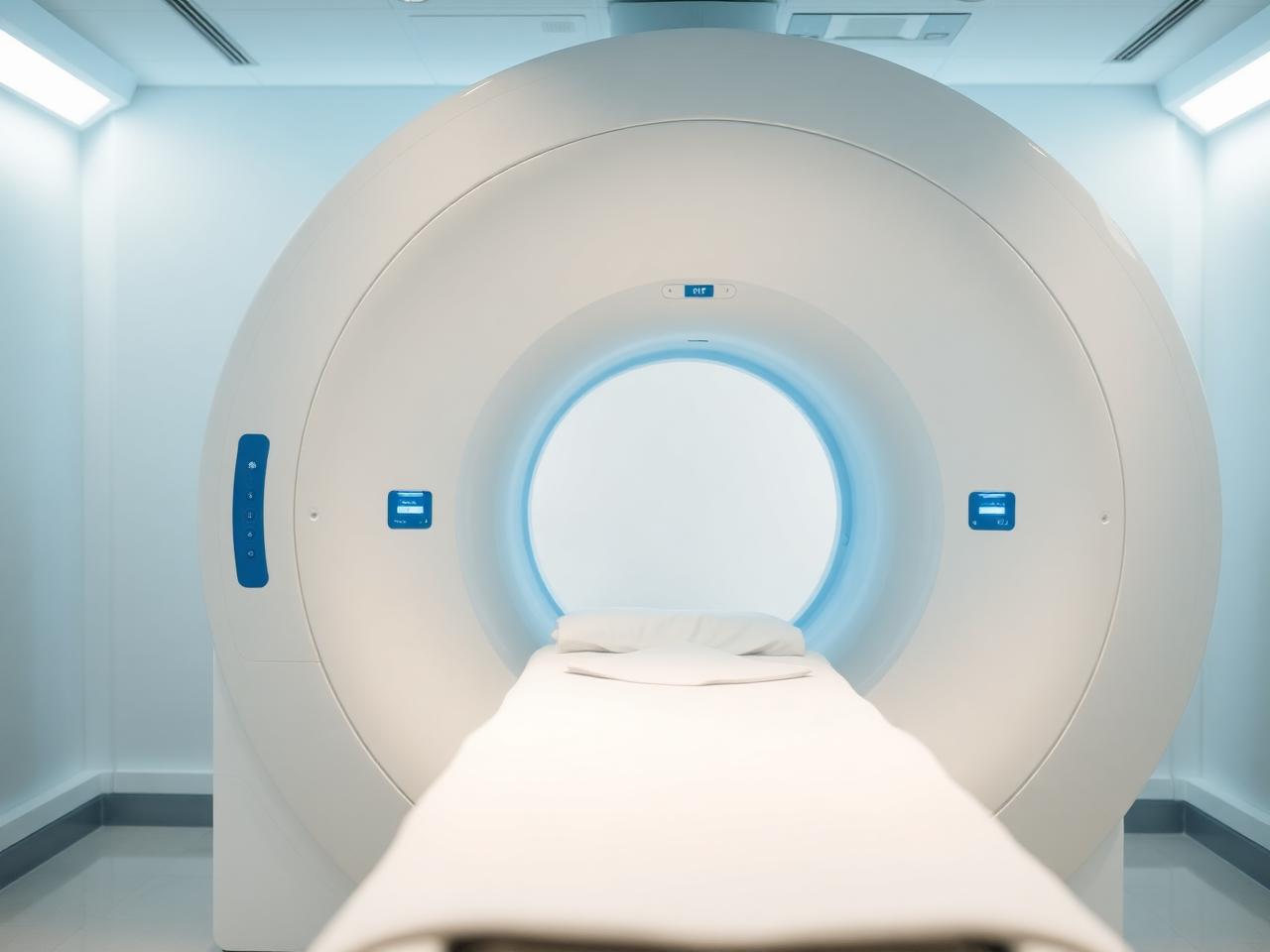
MRI vs CT: how doctors choose between them
Both produce cross-sectional images, but they measure completely different things, which is why your physician orders one and not the other.
28 January 2026 · 9 min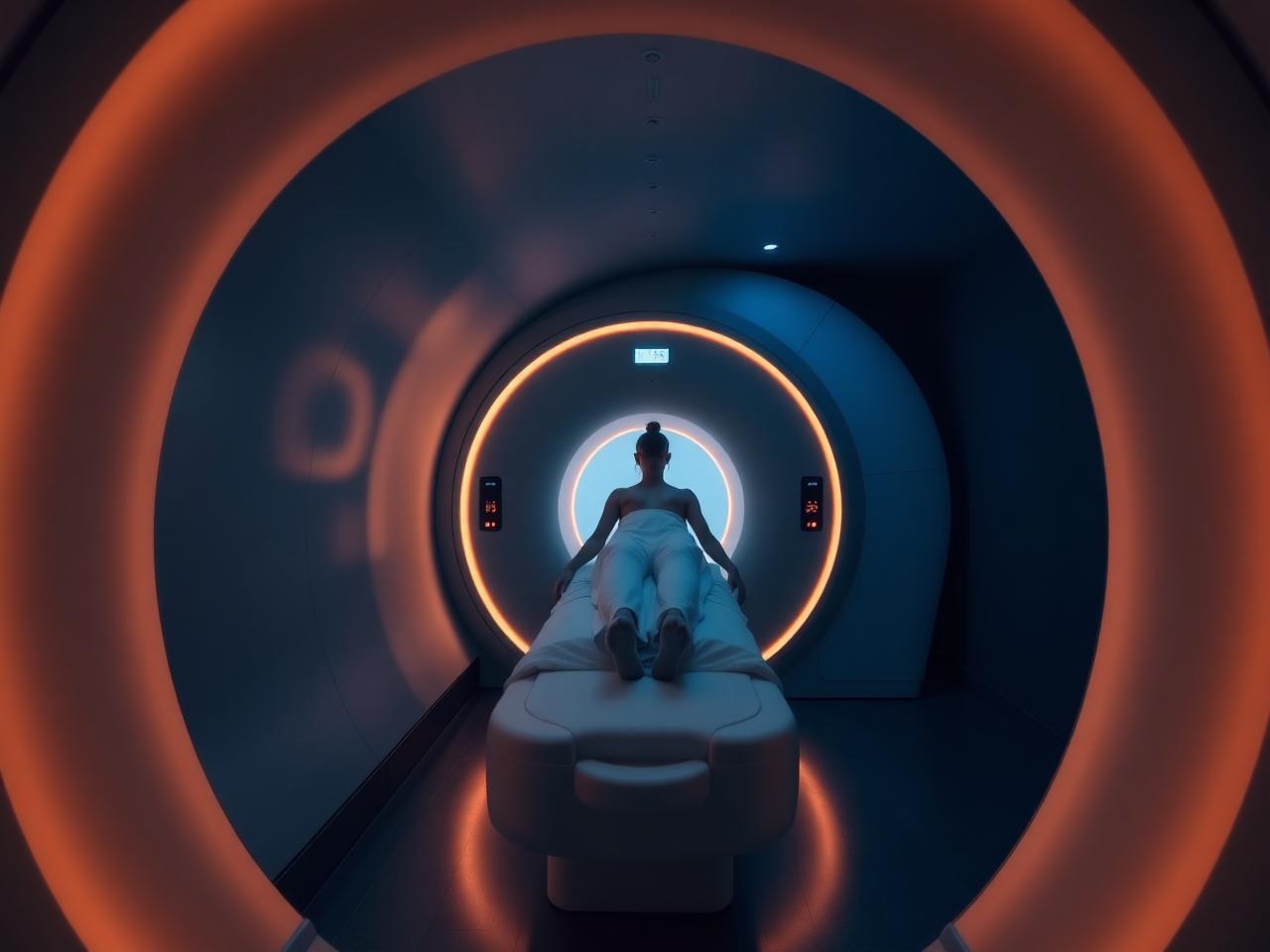
Is a whole-body MRI right for you?
Preventive whole-body MRI is genuinely useful for some people and unnecessary for others. Here is how to tell the difference.
11 February 2026 · 8 min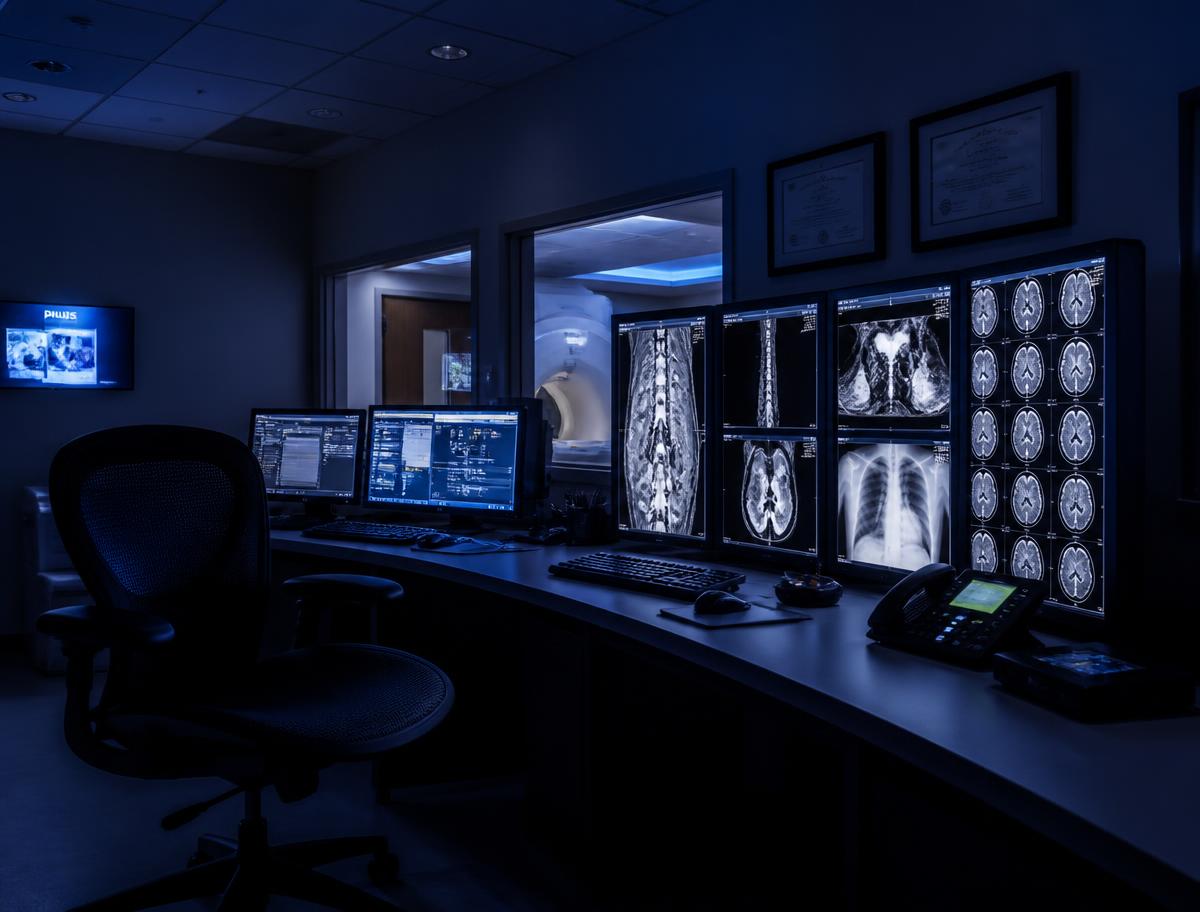
Understanding your imaging bill and insurance coverage
Why the same scan can cost wildly different amounts, and the questions to ask before you book.
25 February 2026 · 9 min