
EXECUTIVE SUMMARY
- Whole body MRI screening may help detect some problems early, but it does not replace routine cancer screening or medical care.
- The main whole body MRI pros and cons include broad anatomic coverage, no ionizing radiation, possible incidental findings and out-of-pocket cost.
- If you are considering a full body scan Glendale patients can review goals, preparation and cost estimate options with Lucent Medical Imaging and their physician.
Whole body MRI screening is a preventive imaging option that looks across many areas of the body for certain findings before symptoms appear. It can be useful for some people, but it also has limits, costs and follow-up questions to discuss with your physician.
Screening Basics *what it means*
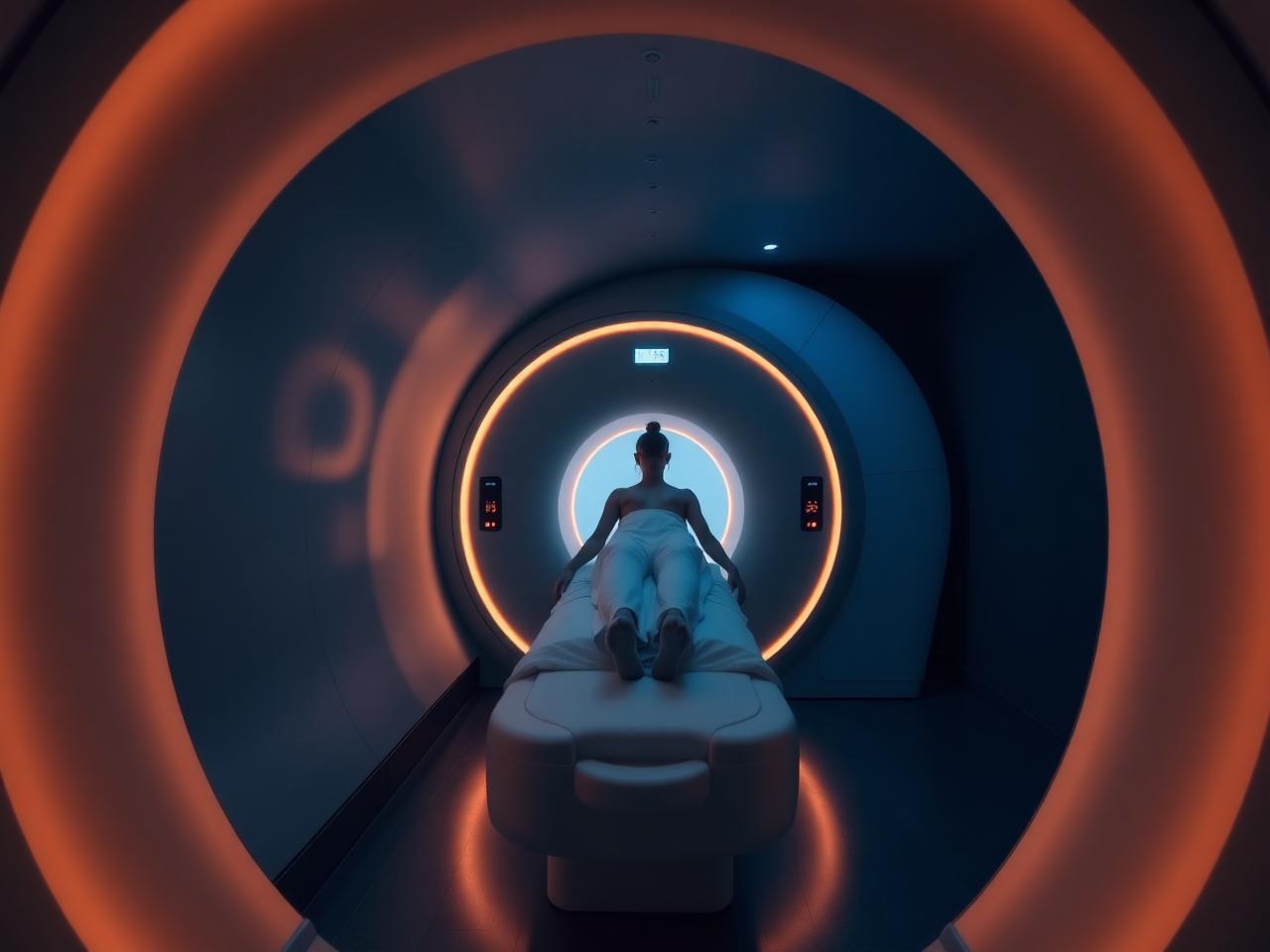
A whole body MRI screening exam uses magnetic fields and radio waves to create detailed pictures through multiple body regions, often from the head or neck through the pelvis. Unlike a symptom-focused MRI, it is usually ordered to look broadly for unexpected abnormalities. At Lucent Medical Imaging in Glendale, this type of exam is part of whole-body MRI services, using 3 Tesla MRI and GE AIR Recon DL AI-assisted MRI. The goal is not to prove you are healthy, but to provide imaging information that your physician can interpret in context.
A preventive scan may evaluate organs, soft tissues, bones and lymph node regions, depending on the protocol. It may show masses, inflammation, fluid collections, spine changes or other abnormalities that need targeted follow-up. It may not be the best test for every organ, and it may not show very small or early disease. Whole body MRI screening also does not include everything covered by colonoscopy, skin exams, blood tests, mammography or other guideline-based care.
A direct answer is this: whole body MRI screening is a broad, noninvasive imaging exam that may find some silent conditions, but it is not a complete health check and should not replace care from your physician. It is best viewed as one possible piece of a preventive plan, especially for people in Los Angeles County who want more information than routine visits provide.
- MRI uses no ionizing radiation.
- The exam is broad, not complete.
- Your physician guides next steps.
Good Candidates *when to consider*
You might consider whole body MRI screening if you are interested in early detection imaging and understand that results can lead to more tests. Some people ask about it because of personal health goals, family history, prior cancer treatment or a desire to establish a baseline. These are reasonable topics to raise with your physician. For broader planning, Lucent also explains preventive screening options that may include MRI, CT, ultrasound, mammography or X-ray when appropriate.
The exam may be less helpful if you have symptoms that already point to one body area. For example, new neurologic symptoms, focal pain or a known mass often require a targeted test with a dedicated protocol. A focused brain, spine, joint, breast or abdominal study can provide more specific detail than a broad screening exam. Your physician can decide whether a full scan, a targeted MRI or another imaging method is the better first step.
A direct answer is this: a whole body MRI may be right for you if you want broad preventive information, accept the chance of incidental findings and have a physician who can help interpret the results. It may not be right if you need urgent evaluation, have a specific symptom requiring a targeted exam or would not want follow-up testing if something uncertain is found.
- Ask about personal risk.
- Symptoms need targeted workup.
- Screening requires follow-up planning.
Questions before you book? We answer them.
Talk to our Glendale team about scheduling, preparation and what your plan covers, before you commit to an appointment.
Pros And Cons *balanced view*
The main whole body MRI pros and cons are easy to state, but personal to weigh. On the positive side, MRI can show detailed soft tissue anatomy across a large area without ionizing radiation. It may identify an unexpected mass, vascular-appearing abnormality, organ change or bone marrow finding before symptoms occur. For patients exploring early detection imaging, that broad look can feel useful when paired with a clear follow-up plan.
The limitations are just as important. A whole body MRI can miss disease, show findings that are not dangerous or reveal unclear changes that require more imaging. Some areas, such as the lungs, bowel lining, skin and coronary arteries, are not always best evaluated by whole body MRI. Standard screening tests may still be needed. For example, eligible patients may need lung screening CT rather than relying on MRI for lung cancer screening.
A direct answer is this: the benefits of a whole body MRI include wide coverage and no radiation, while the downsides include false alarms, missed conditions, incidental findings and cost. The best decision depends on your risk factors, screening goals and willingness to act on results. Your physician can help compare MRI with established screening recommendations for your age and history.
- MRI has strong soft tissue detail.
- No test finds everything.
- Follow-up can be stressful.
Incidental Findings *why they matter*
Incidental findings are unexpected imaging findings that are not related to a known problem or symptom. They are common in the general idea of broad screening because the exam looks at many organs and tissues at once. Some incidental findings are clearly benign, such as simple cysts or common age-related spine changes. Others are unclear and may need ultrasound, CT, targeted MRI, lab testing or physician review before anyone can say what they mean.
Incidental findings can be helpful when they reveal something important early, but they can also create anxiety and additional testing. A small liver lesion, adrenal nodule, lymph node or bone signal change may turn out to be harmless, but the uncertainty can take time to resolve. This is one reason you should have a clinician ready to receive the report, compare prior imaging and decide whether follow-up is needed or not.
A direct answer is this: incidental findings are unexpected results found during a scan done for another reason, and they are one of the biggest tradeoffs of whole body MRI screening. They are not automatically bad news. They are signals that need context, and the correct response may range from no action to focused imaging or referral.
- Unexpected does not mean dangerous.
- Prior scans may help.
- Reports need clinical context.
Cost Questions *planning ahead*
Preventive MRI scan cost is an important part of the decision because broad screening exams may not be covered by insurance when there is no symptom or approved indication. Coverage varies by plan and by medical necessity rules. Before scheduling, you can ask your insurer what is covered and what documentation is required. Lucent Medical Imaging also provides a cost estimate request so Glendale and nearby patients can plan before their visit.
When you compare cost, include more than the scan itself. If the exam finds something uncertain, there may be charges for additional imaging, specialist visits or lab work. In some cases, follow-up may be simple and low burden. In other cases, it may take several steps to clarify a finding. That does not mean screening is wrong, but it does mean the financial and practical follow-up should be considered from the start.
A direct answer is this: preventive MRI scan cost depends on the type of exam, coverage rules and whether follow-up testing is needed. Many preventive whole body scans are paid out of pocket, but insurance rules vary. Ask for an estimate, contact your health plan and speak with your physician before deciding whether the potential benefit is worth the cost for you.
- Ask before you schedule.
- Coverage rules vary.
- Follow-up can add cost.
Longevity Imaging *reasonable expectations*
Longevity imaging is a term people use for preventive scans meant to support long-term health planning. The idea is to look for certain hidden problems earlier than they would otherwise be found. In practice, the value depends on the person, the protocol and how results are managed. Lucent offers information on longevity imaging for patients who want to understand how imaging may fit with physician-led prevention in Glendale and Los Angeles County.
It is important to keep expectations realistic. Imaging can show anatomy, but it does not measure every aspect of health. It cannot replace blood pressure control, cholesterol management, cancer screening guidelines, vaccination, nutrition, exercise, sleep or follow-up for symptoms. A clean scan does not guarantee that disease is absent or that nothing will develop later. It is a snapshot in time, not a certificate of future health.
A direct answer is this: longevity imaging may be useful when it supports a broader prevention plan, but it should not be treated as a stand-alone strategy. The most useful approach is usually coordinated, with your physician reviewing your medical history, risk factors, standard screening schedule and imaging results together. That helps avoid both overconfidence and unnecessary alarm.
- Imaging is one data point.
- Prevention is broader than scans.
- Normal results have limits.
Glendale Experience *what to expect*
If you are looking for a full body scan Glendale location, preparation usually starts with screening for MRI safety. You may be asked about implanted devices, prior surgeries, metal fragments, kidney issues, pregnancy status and severe claustrophobia. Bring prior imaging reports if you have them. Reviewing before your visit information can help you understand clothing, paperwork and timing before arriving at 647 W Broadway, Glendale, CA 91204.
During the exam, you lie on the MRI table while the scanner obtains multiple sets of images. You will hear loud knocking or tapping sounds, and the technologist will monitor you. You need to stay still for image quality. Depending on the protocol, the exam can feel longer than a focused MRI because it covers more anatomy. If contrast is considered, your physician and imaging team will review whether it is appropriate for your situation.
After the scan, a radiologist interprets the images and a report is sent to the ordering clinician or designated provider. You should ask how and when results will be reviewed with you. Lucent explains getting your results so patients know what to expect after imaging. If the report recommends follow-up, your physician can help decide whether that should be targeted MRI, ultrasound, CT or clinical monitoring.
- Safety screening comes first.
- Stillness improves image quality.
- Reports go to your clinician.
Making Decisions *next practical step*
A good decision starts with a clear question. Are you trying to look for cancer, evaluate general risk, establish a baseline or follow a family history concern? Different goals may point to different exams. Breast cancer screening may involve 3D mammography or breast MRI for certain patients. Lung risk may point to low dose CT. Abdominal or thyroid concerns may start with ultrasound. A whole body MRI is one option, not the default answer for every preventive goal.
You can prepare for a physician discussion by listing your age, medical history, family history, prior imaging, current symptoms and what you would do if the scan found something uncertain. Ask whether established screening is up to date before adding broad imaging. You can also review MRI service options to understand when focused MRI studies are used. This helps make the conversation specific instead of simply asking whether more imaging is better.
A direct answer is this: a whole body MRI is right for some people who want broad preventive information and are prepared for uncertain findings, but it is not right for everyone. The safest next step is to discuss your goals with your physician, confirm which standard screenings you need and request a cost estimate before scheduling at Lucent Medical Imaging in Glendale.
- Start with your goal.
- Review standard screening first.
- Plan for possible follow-up.
Key takeaways
- Whole body MRI is broad, not complete.
- Incidental findings are a key tradeoff.
- Cost and coverage should be checked early.
- Standard screenings still matter.
- Your physician should guide decisions.
Related at Lucent
Frequently asked questions
This article is general education, not medical advice. Talk with your physician about what is appropriate for your situation.
About the author

Lucent Clinical Team
Board-certified radiologists & imaging technologists
Every article is written and reviewed by the imaging team at our Glendale center, the same radiologists and technologists who read your study and walk you through the scanner room. We write what we find ourselves explaining at the front desk each week: what a scan feels like, what a report actually says, and what a bill is really made of.
Keep reading
What to expect during your first MRI scan
From check-in to results, here is exactly how an MRI appointment unfolds and what you can do to make it easier.
14 January 2026 · 9 min
MRI vs CT: how doctors choose between them
Both produce cross-sectional images, but they measure completely different things, which is why your physician orders one and not the other.
28 January 2026 · 9 min
Understanding your imaging bill and insurance coverage
Why the same scan can cost wildly different amounts, and the questions to ask before you book.
25 February 2026 · 9 min