
Our imaging technology, an overview
A short map of the equipment behind every Lucent scan, and where to read about each platform in detail.
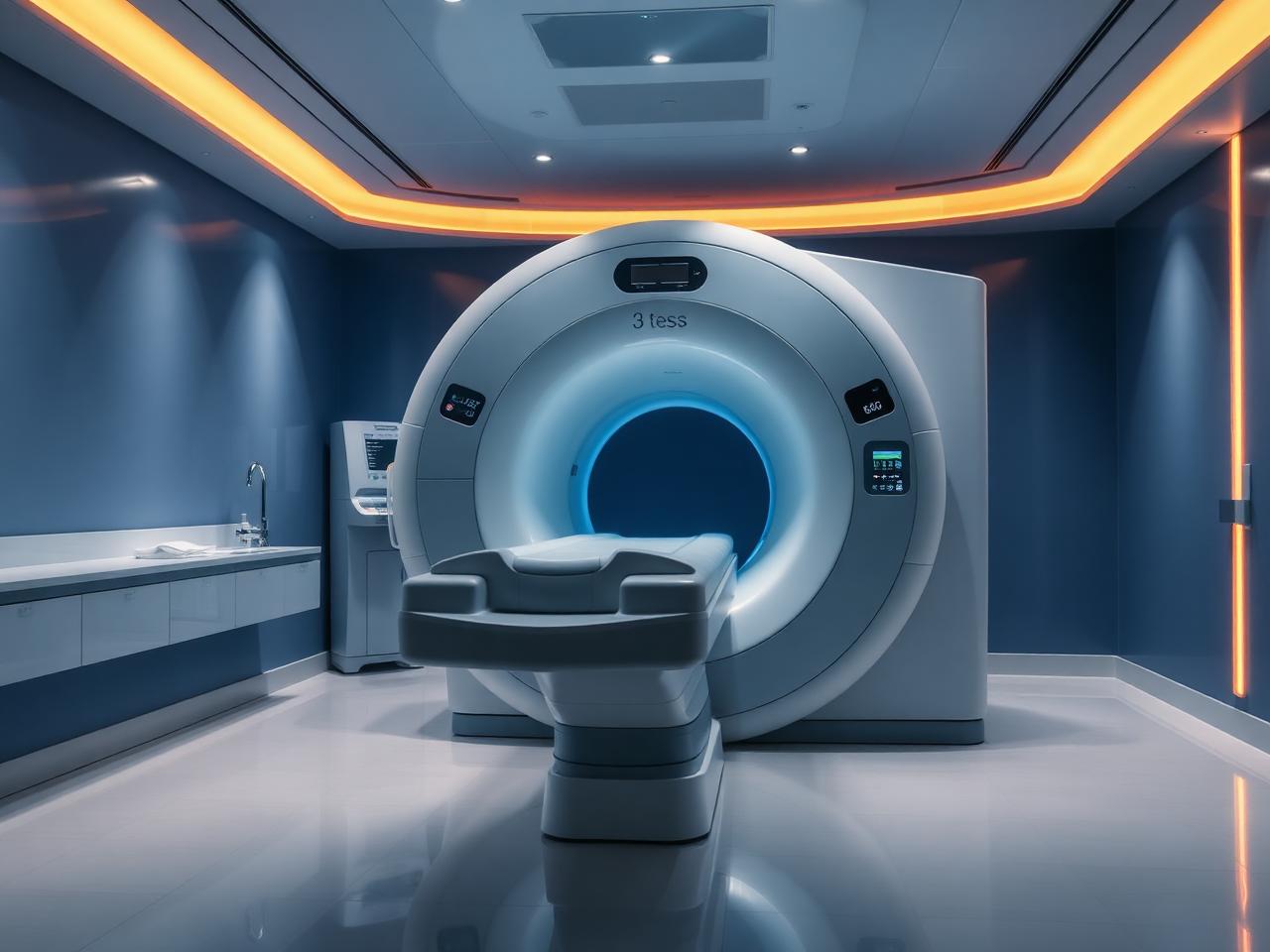
What we scan you on
MRI
3 Tesla with AI-assisted reconstruction.
CT
Low-dose protocols matched to the clinical question.
Ultrasound
High-frequency broadband transducers with Doppler.
Mammography
3D tomosynthesis for breast screening.
X-ray
Flat-panel digital detectors, images in seconds.
Read about a specific platform
Better hardware, read by a specialist
Equipment decides how much signal reaches the image. The radiologist decides what it means. Every scan performed at Lucent is read and signed by a board-certified radiologist, most within a subspecialty.
The individual platform guides above go into how each system works; this page is only the map.
Principles behind our protocols
Image quality first
A shorter scan is only an improvement if the study is still diagnostic. We would rather repeat a sequence than report a marginal one.
Dose discipline
Every CT and X-ray protocol is matched to the clinical question and the patient's size, not run at a fixed default.
The right modality for the question
Better equipment does not make the wrong test right. Sometimes the honest answer is that a different modality answers your question.