
Clear answers for the abdomen
Liver, kidneys, gallbladder, pancreas and pelvis. We match the study to the organ and the question, so you are not sent for a second scan that could have been the first one.
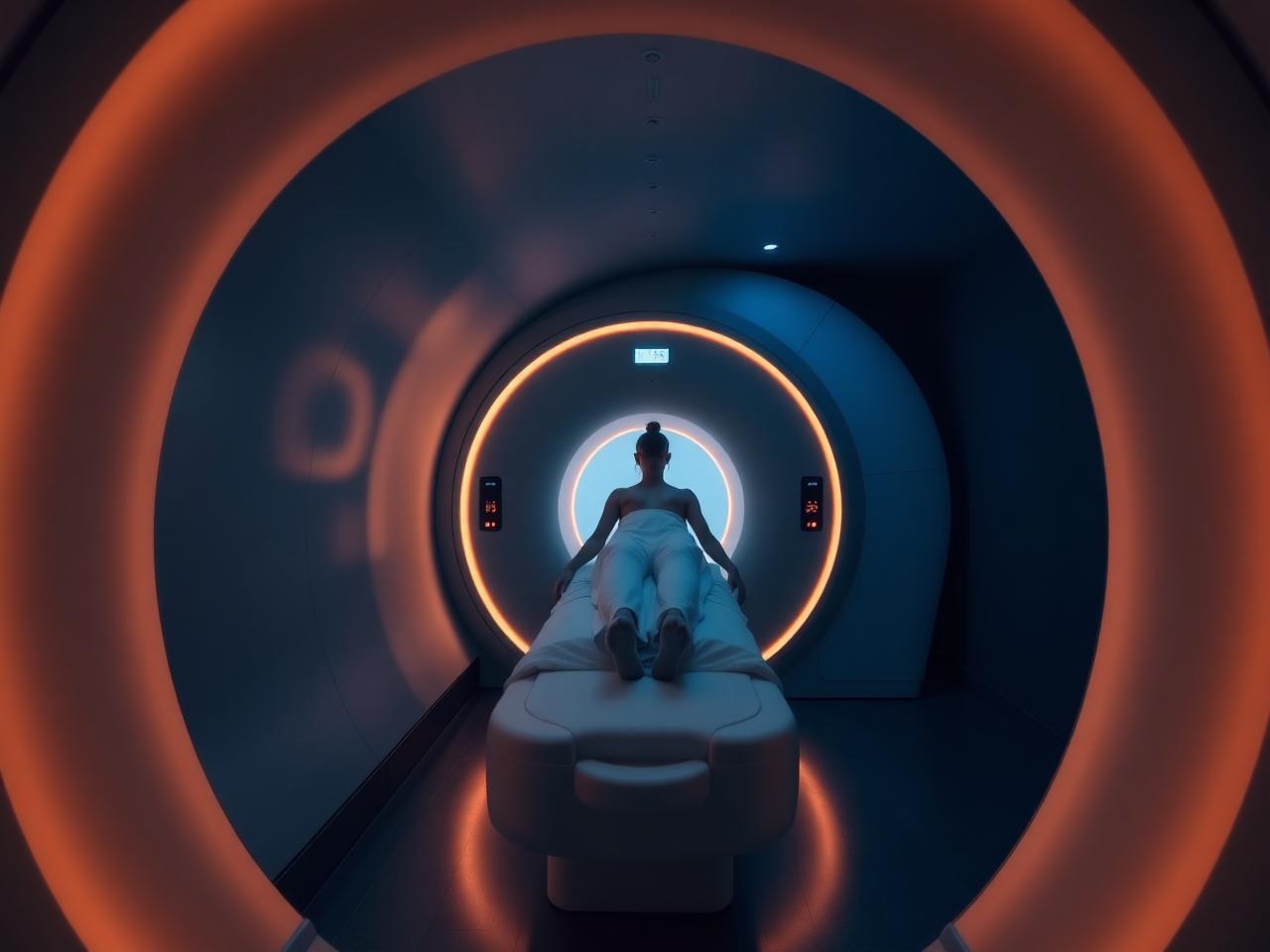
- No radiation, first-line for many organsULTRASOUND
- Fast, detailed cross-sectionCT
- Best soft-tissue characterizationMRI
- Reports to your physician24-48 HRS
Questions and conditions this imaging answers
Imaging does not replace your physician's evaluation, it gives them the detail needed to act with confidence.
Reasons patients come to us
- Unexplained abdominal or flank pain
- Abnormal liver enzymes or fatty liver
- Suspected gallstones or kidney stones
- A lesion found incidentally on another scan
- Follow-up of a known cyst or mass
What imaging can show
- Gallstones, ductal dilation and inflammation
- Liver fat, cysts and focal lesions
- Kidney stones, cysts and obstruction
- Pancreatic and adrenal abnormalities
- Aortic aneurysm and vascular findings
Which scan answers which question
Different questions call for different studies. Use this as a guide, then confirm the right exam with your physician or our scheduling team.
| Your question | Study most often used | Why that study |
|---|---|---|
| I have right upper abdominal pain. | Abdominal ultrasound | First-line for gallstones and bile duct dilation, with no radiation and no preparation beyond fasting. |
| I have sudden severe flank pain. | Non-contrast CT of the abdomen and pelvis | The most sensitive study for kidney stones and obstruction. |
| A liver lesion was found, is it serious? | MRI of the abdomen with contrast | Characterizes lesions that CT and ultrasound leave indeterminate. |
| I want a broad look with no known symptom. | Whole body MRI screening | A self-pay preventive study across multiple regions, with an honest discussion of incidental findings. |
Final exam selection depends on your clinical history, prior imaging and insurance authorization.
About incidental findings
Detailed body imaging often reveals findings unrelated to the reason for the scan. Most are benign, and some require follow-up.
- Preventive whole body MRI does not replace colonoscopy, mammography or other guideline screening.
- Follow-up imaging or specialist referral is sometimes needed to resolve a finding.
- Some studies require fasting or oral contrast, we tell you at scheduling.
Frequently asked questions
Do I need to fast before an abdominal ultrasound?
Usually yes, typically 6 to 8 hours, so the gallbladder is distended and the view is not obscured by bowel gas.
Which is better for the abdomen, CT or MRI?
CT is faster and excellent for stones, trauma and acute pain. MRI gives better tissue characterization for liver, pancreas and indeterminate lesions.
Will I need contrast?
It depends on the question. Contrast is common for lesion characterization and uncommon for stone protocols.
How quickly can I be seen?
Most abdominal studies can be scheduled within a few days. Call (818) 679-2867 for the next available appointment.